Bird · Parrots
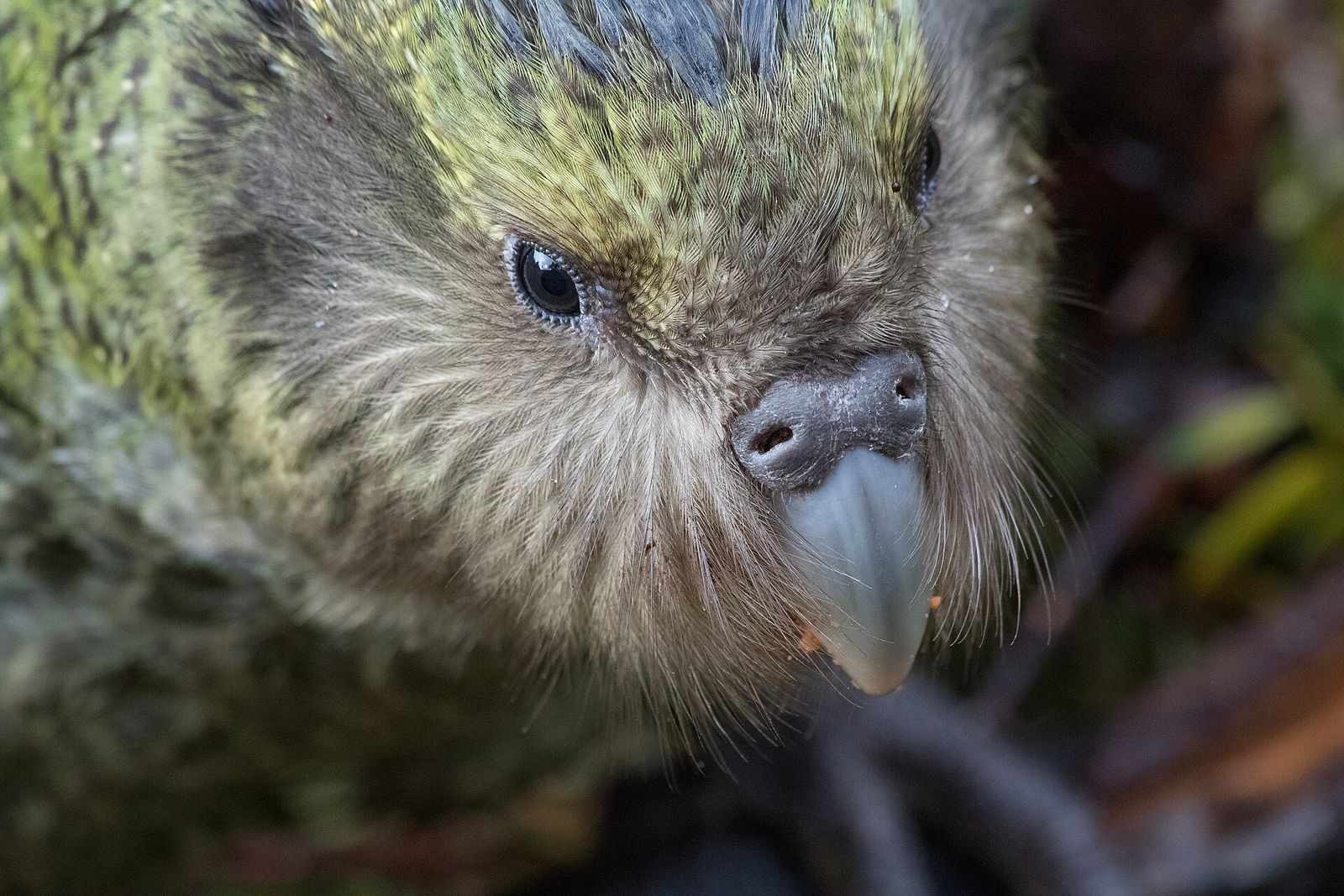
Kākāpō
The world's heaviest parrot cannot fly and is active at night. Only a few hundred survive, on predator-free islands where each bird is monitored.
Meet the kākāpō Wildlife
Bird · Parrots
The world's heaviest parrot cannot fly and is active at night. Only a few hundred survive, on predator-free islands where each bird is monitored.
Meet the kākāpō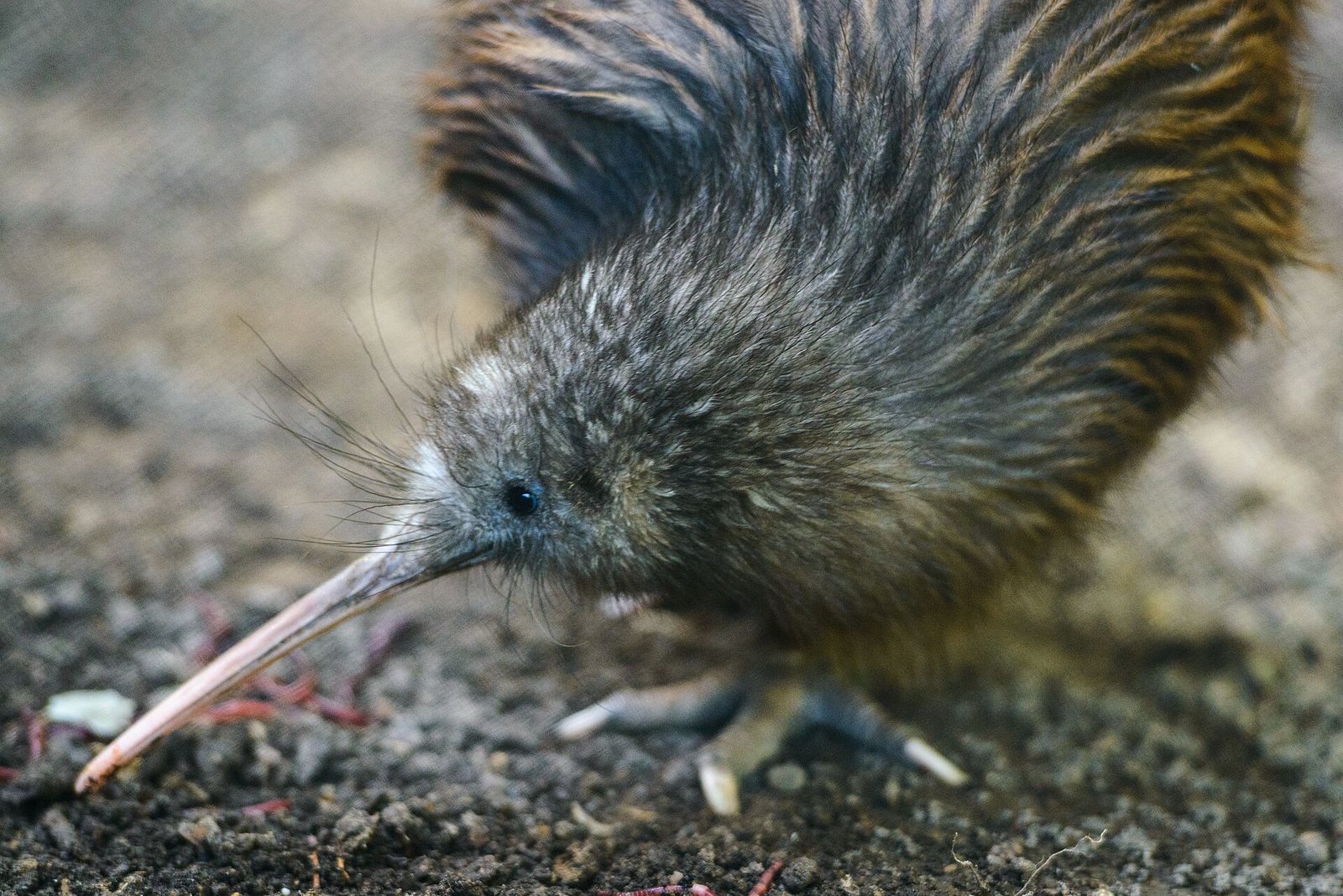
Bird · Kiwi
A flightless, nocturnal bird with nostrils at the tip of its long bill, which it pushes into the soil to find worms and insects.
Meet the kiwi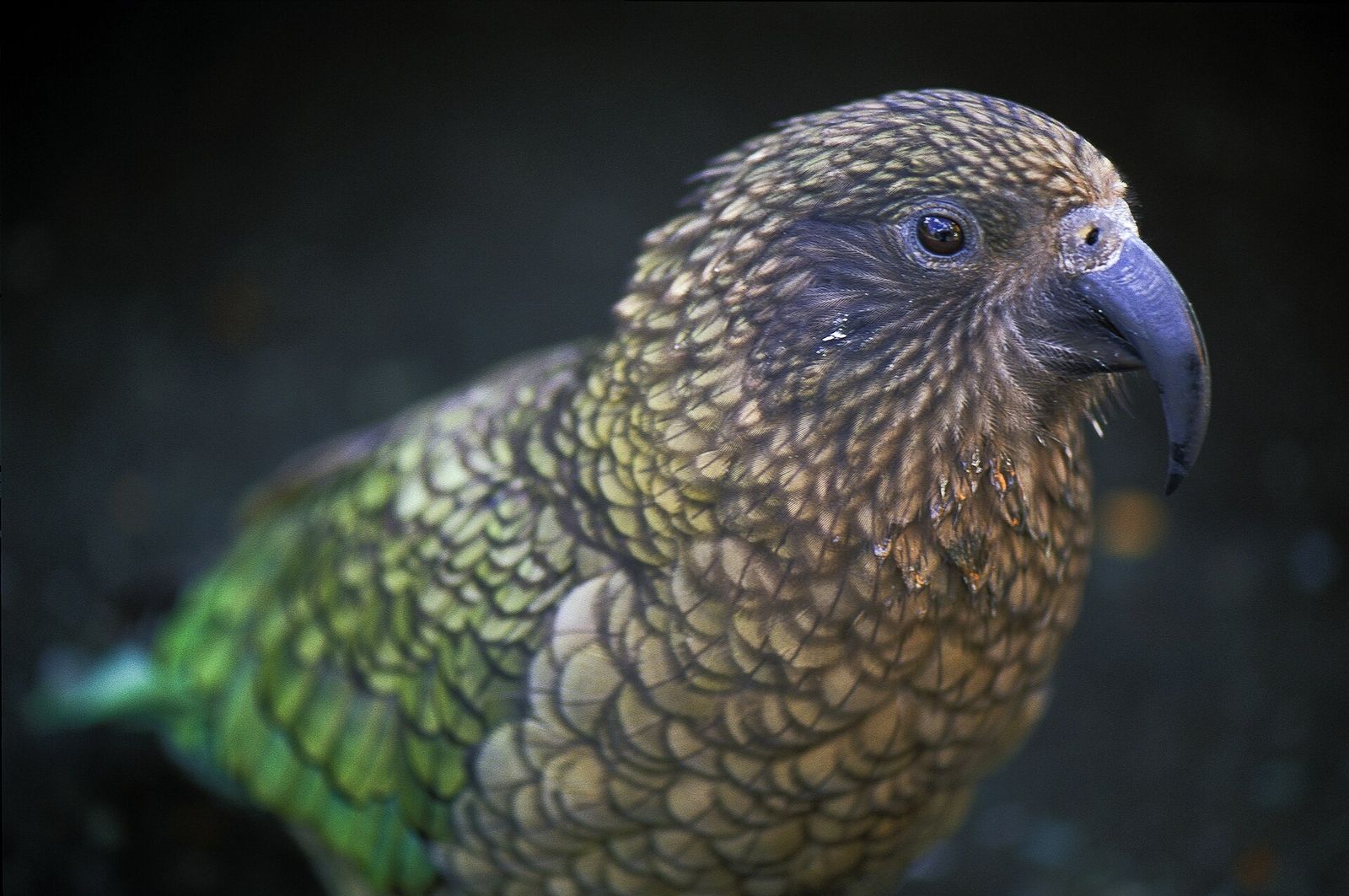
Bird · Parrots
The world's only alpine parrot is curious and clever, and often walks right up to visitors in the high country of the South Island.
Meet the kea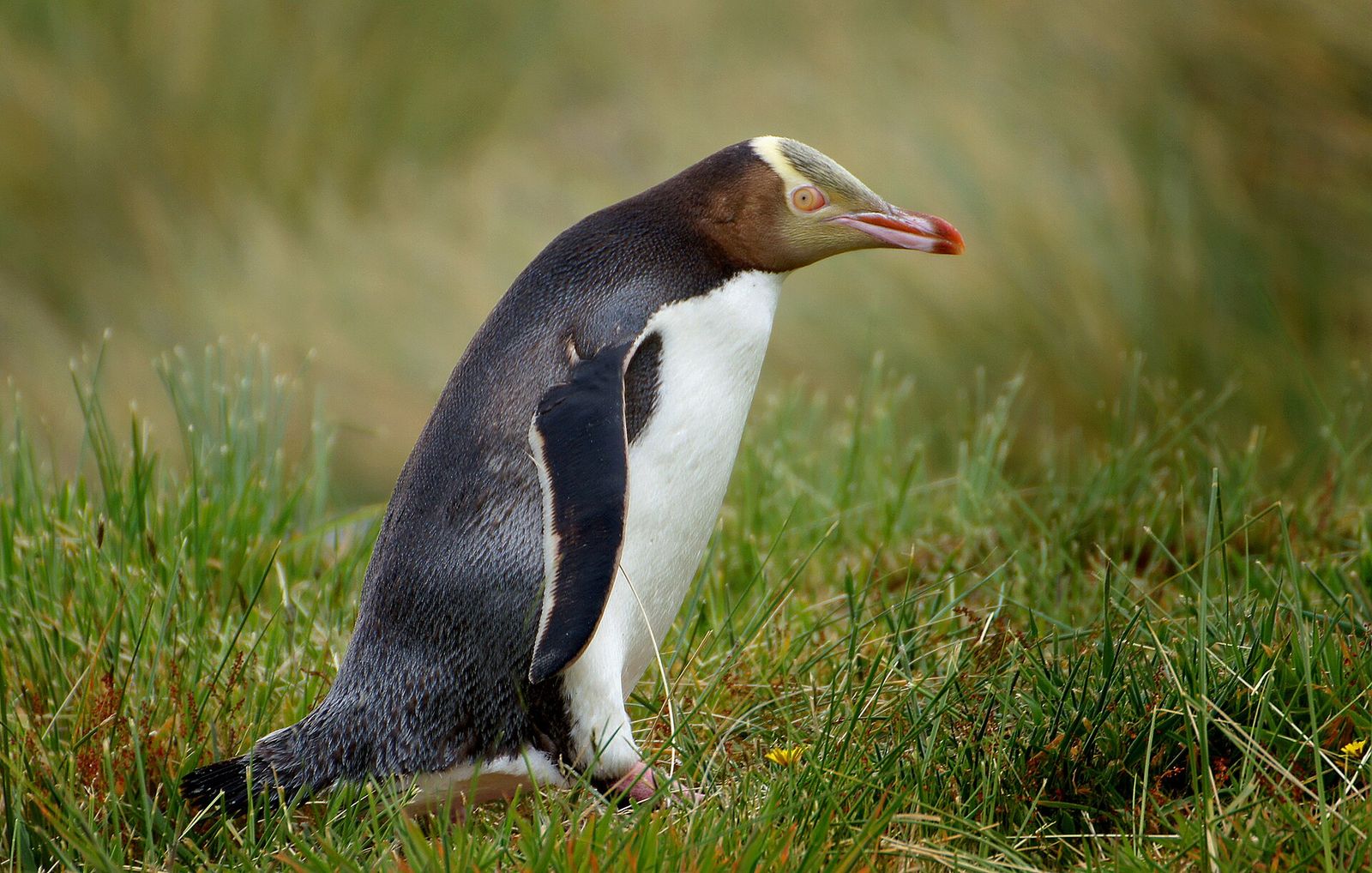
Bird · Penguins
One of the world's rarest penguins, the hoiho nests in coastal forest and scrub on the south-east coast and the Subantarctic Islands.
Meet the hoiho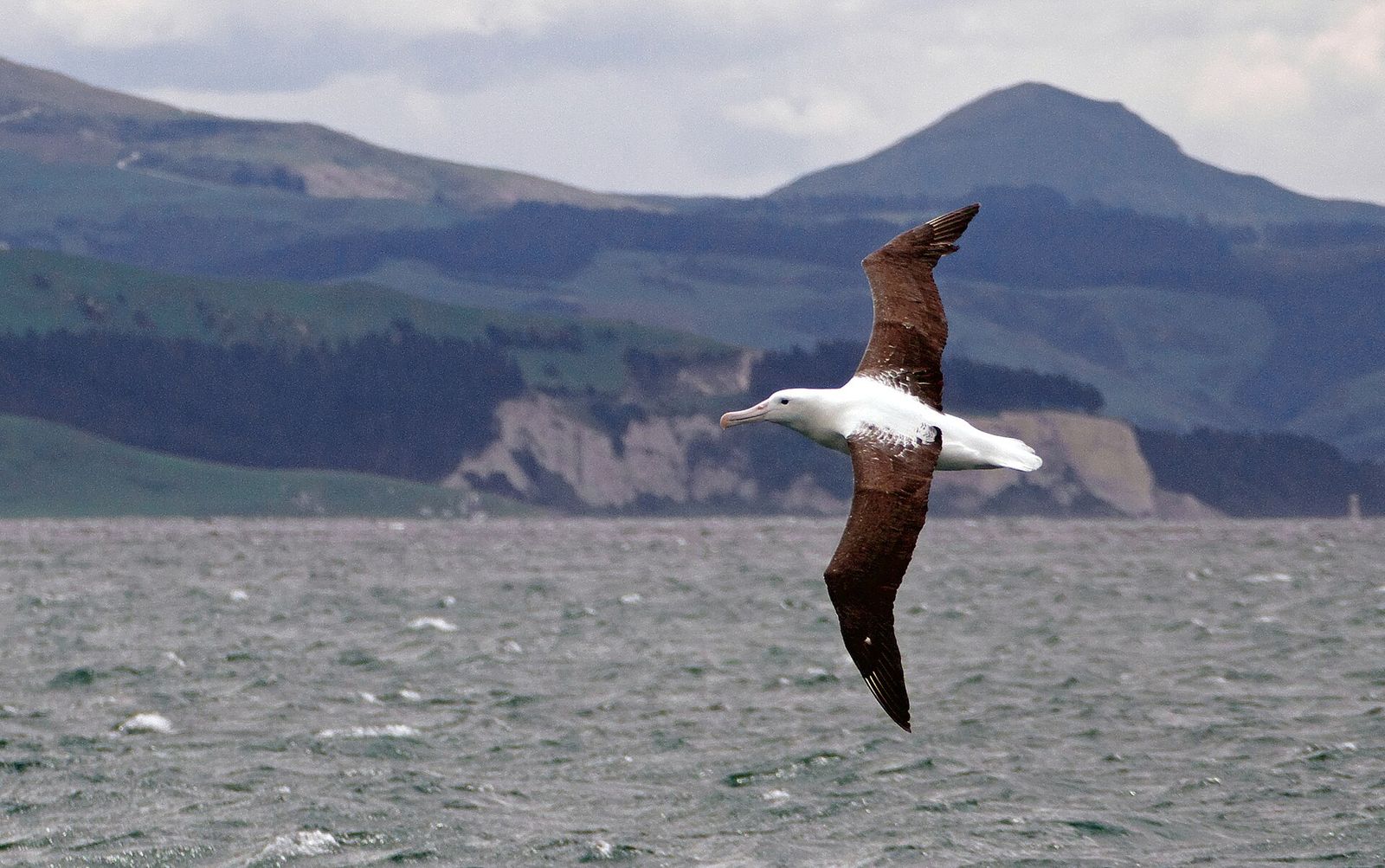
Bird · Albatrosses
With a wingspan of about three metres, these huge seabirds nest at Taiaroa Head, the only mainland royal albatross colony in the world.
Meet the albatross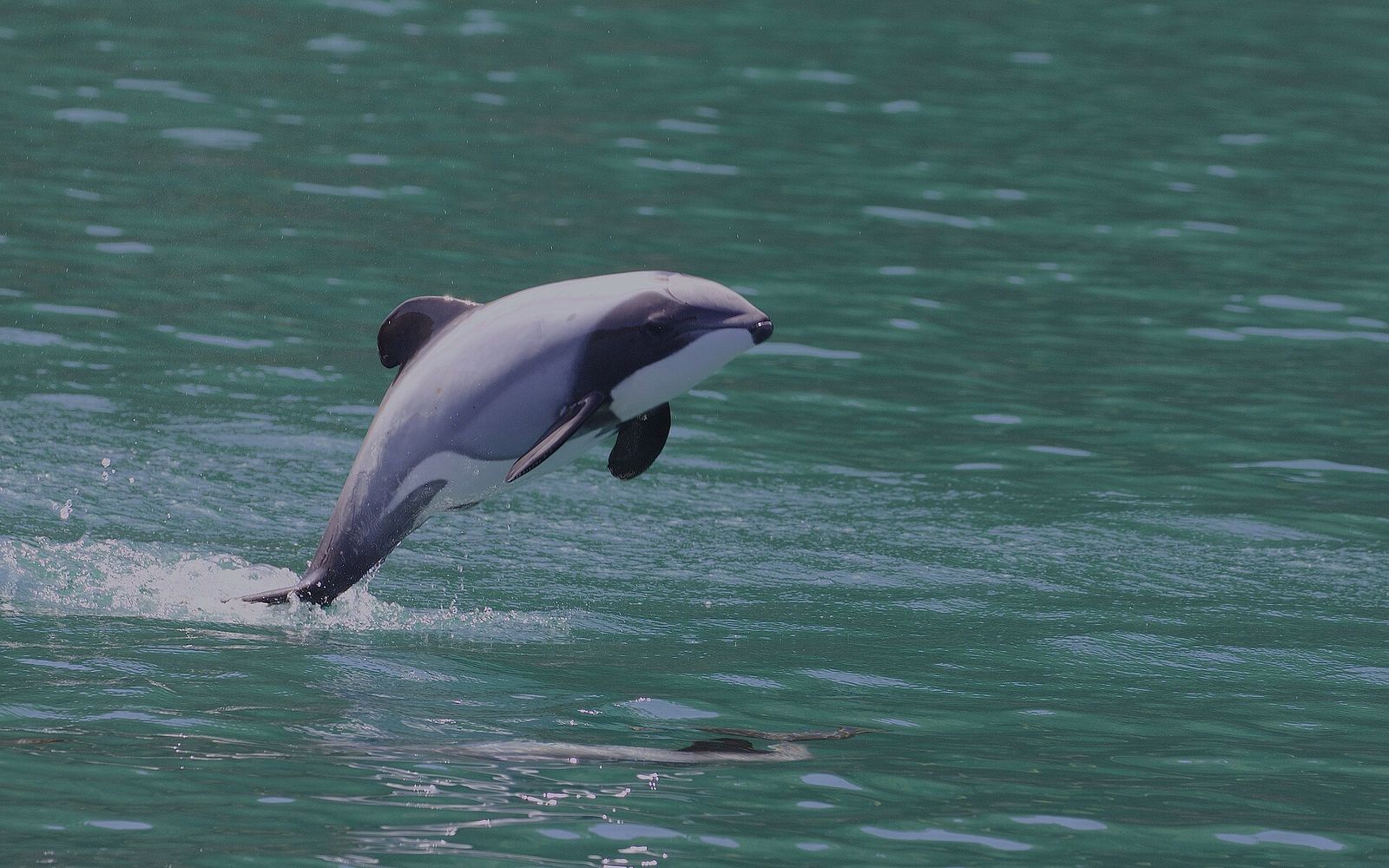
Mammal · Dolphins
One of the smallest dolphins in the world is found only in New Zealand's coastal waters and is recognised by its rounded black dorsal fin.
Meet the dolphin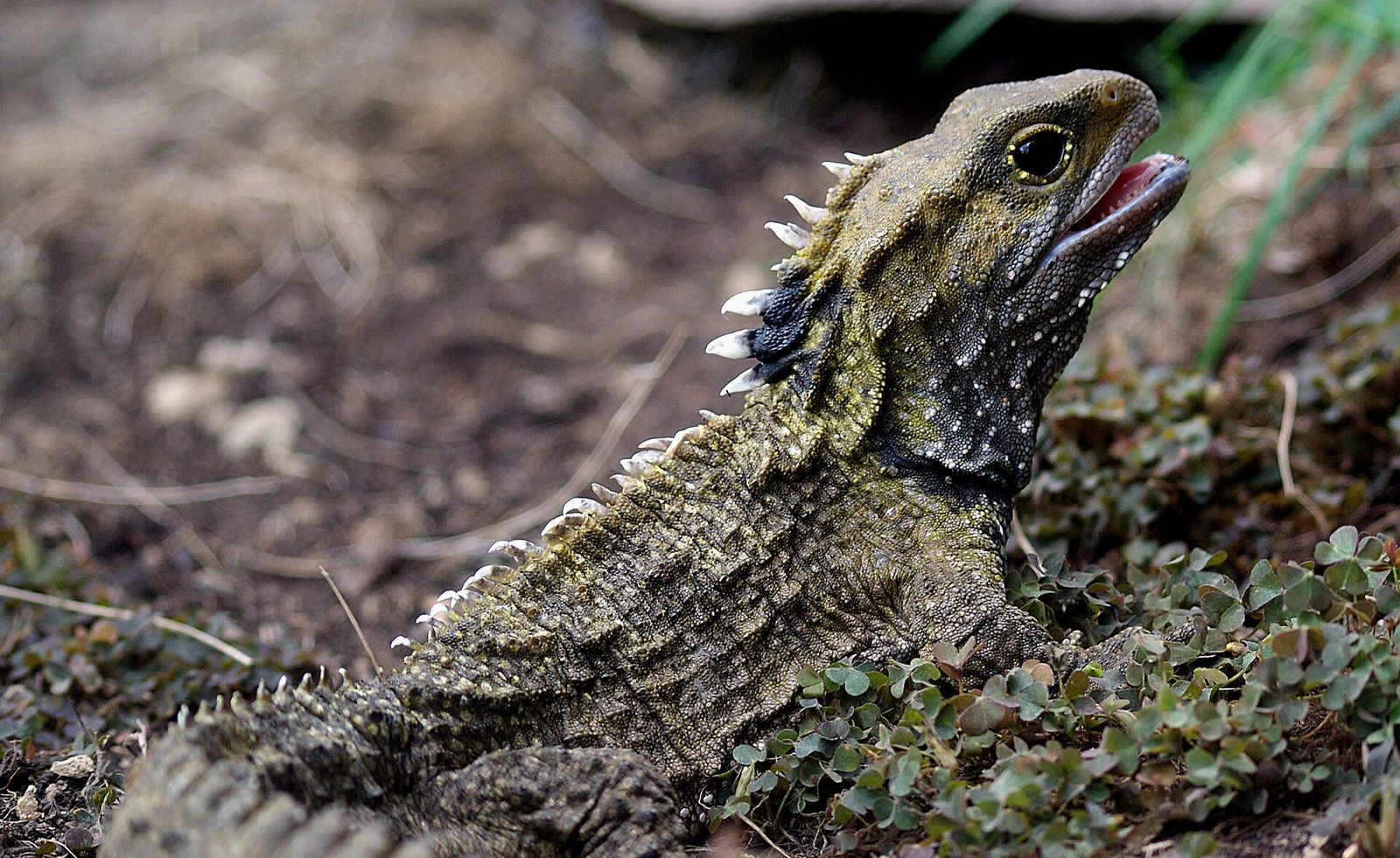
Reptile · Tuatara
The only survivor of an ancient group of reptiles, tuatara live on predator-free islands and in fenced sanctuaries, and can live for many decades.
Meet the tuataraA free field guide to 392 animals in New Zealand: photos and identification notes for 60 mammals, 249 birds, 6 amphibians, 74 lizards, 1 snakes and 2 turtles and crocodiles, plus 23 of the best places to see wildlife in New Zealand, a trip planner and a personal sightings log. Free, with no sign-up.
300+ mammals, birds, reptiles and amphibians
Wildlife of New Zealand is a free online field guide to the wildlife of New Zealand: 392 species (60 mammals, 249 birds, 6 amphibians, 74 lizards, 1 snakes and 2 turtles and crocodiles) with photos and identification notes, 23 places to see wildlife, a trip planner and a personal sightings log. It is part of Wildlife of Everywhere, a family of free guides to wildlife destinations around the world.
Highlights include Tiritiri Matangi Island (Hauraki Gulf), Zealandia Te Māra a Tāne (Wellington), Kāpiti Island (Kāpiti Coast), Pūkorokoro Miranda (Firth of Thames) and Kaikōura (Marlborough / Canterbury). The guide covers 23 places in all, each with the species it is known for and tips for visiting.
The guide's best places for the North Island Brown Kiwi are Waipoua Forest. Northland's largest remaining kauri forest, with giant trees such as Tāne Mahuta beside the road.
The guide's best places for the Kea are Fiordland National Park, Aoraki / Mount Cook & the Mackenzie Basin and Westland & the Glaciers. A huge area of mountains, fiords and rainforest in the south-west corner of the South Island.
The guide's best places for the Yellow-eyed Penguin are Taiaroa Head & Otago Peninsula, Ōamaru and The Catlins & Curio Bay. The only mainland colony of northern royal albatross, which breed on the headland at Pukekura / Taiaroa Head.
Yes. The guide is free with no sign-up, and works in any phone, tablet or computer browser. Your trip plan and sightings log are saved on your own device.
Species list compiled from the Department of Conservation's threat classification reports, NZ Birds Online and the Birds New Zealand checklist. Photos are openly licensed; tap the i on any photo for its credit. Status labels are the NZ Threat Classification System categories from DOC.
Yes. Use the contribution form to send photos, an album link, a trip report or a species that is missing. Every contribution is checked before it is added, you keep your copyright, and you are credited by name.
Many of New Zealand's species still have no photo in this guide. If you have a good, openly licensed photo of one, we would love to use it, with credit.